About Peter I Island
Peter I Island (Peter I Øy) is a remote volcanic island in the Bellingshausen Sea, approximately 450 km off the west coast of the Antarctic continent. It is one of Norway's Antarctic dependencies and is uninhabited. Its extreme isolation, harsh climate and difficult access make it one of the most remote islands on Earth.
Geography and environment
The island covers approximately 156 km² and is almost completely covered by ice. Its highest point is Lars Christensen Peak, rising to approximately 1,640 metres above sea level. The island is volcanic in origin, and much of its coastline consists of steep cliffs and ice fronts. Heavy pack ice surrounds the island for much of the year, while the combination of steep terrain, glaciers and difficult sea conditions makes landing exceptionally challenging.
Despite its severe environment, Peter I Island supports a small amount of wildlife. Mosses and lichens occur in limited ice-free areas, while seabirds and seals are found around the island and its surrounding waters. A small penguin colony has also been observed.
A brief history
Peter I Island was first sighted by the Russian explorer Fabian Gottlieb von Bellingshausen during his Antarctic expedition in 1821. He named the island after Peter the Great. The surrounding pack ice prevented Bellingshausen's expedition from landing.
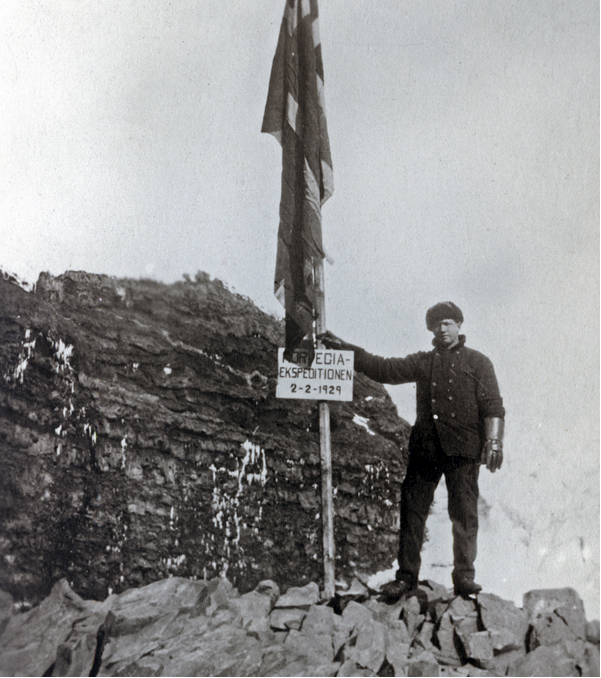
The first known landing took place more than a century later. On 2 February 1929, the second Norvegia Expedition, organized by Norwegian shipowner Lars Christensen, reached the island and raised the Norwegian flag. The island was formally declared a Norwegian territorial claim in 1931.
Because of its isolation and difficult access, Peter I Island has been visited by relatively few expeditions. Its combination of remoteness, severe conditions and limited landing opportunities makes every visit a significant logistical undertaking.
A remarkable DX location
For amateur radio operators, Peter I Island represents an especially rare location. The island's extreme remoteness and the logistical difficulty of establishing an operating site make an expedition there considerably more demanding than a conventional island DXpedition.
3Y0L will bring an international team to Peter I Island in 2027, with the objective of establishing a multi-station amateur radio operation and making contacts with stations around the world.